
Tickets Athens

Ancient Agora of Athens Tickets

4.6(11,016)

Headout is an authorized and trusted partner of the venue, offering curated experiences to enjoy this attraction.

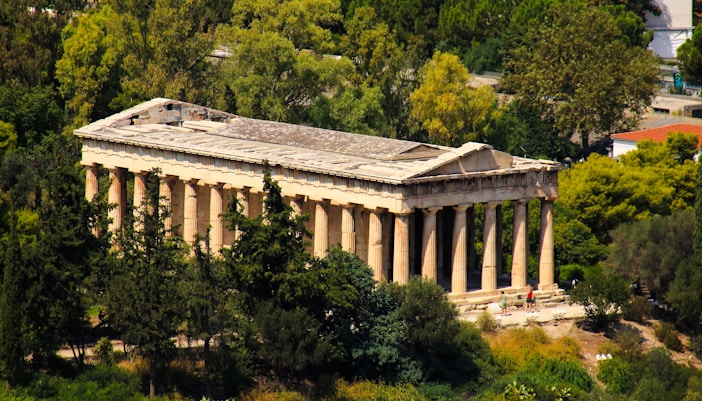
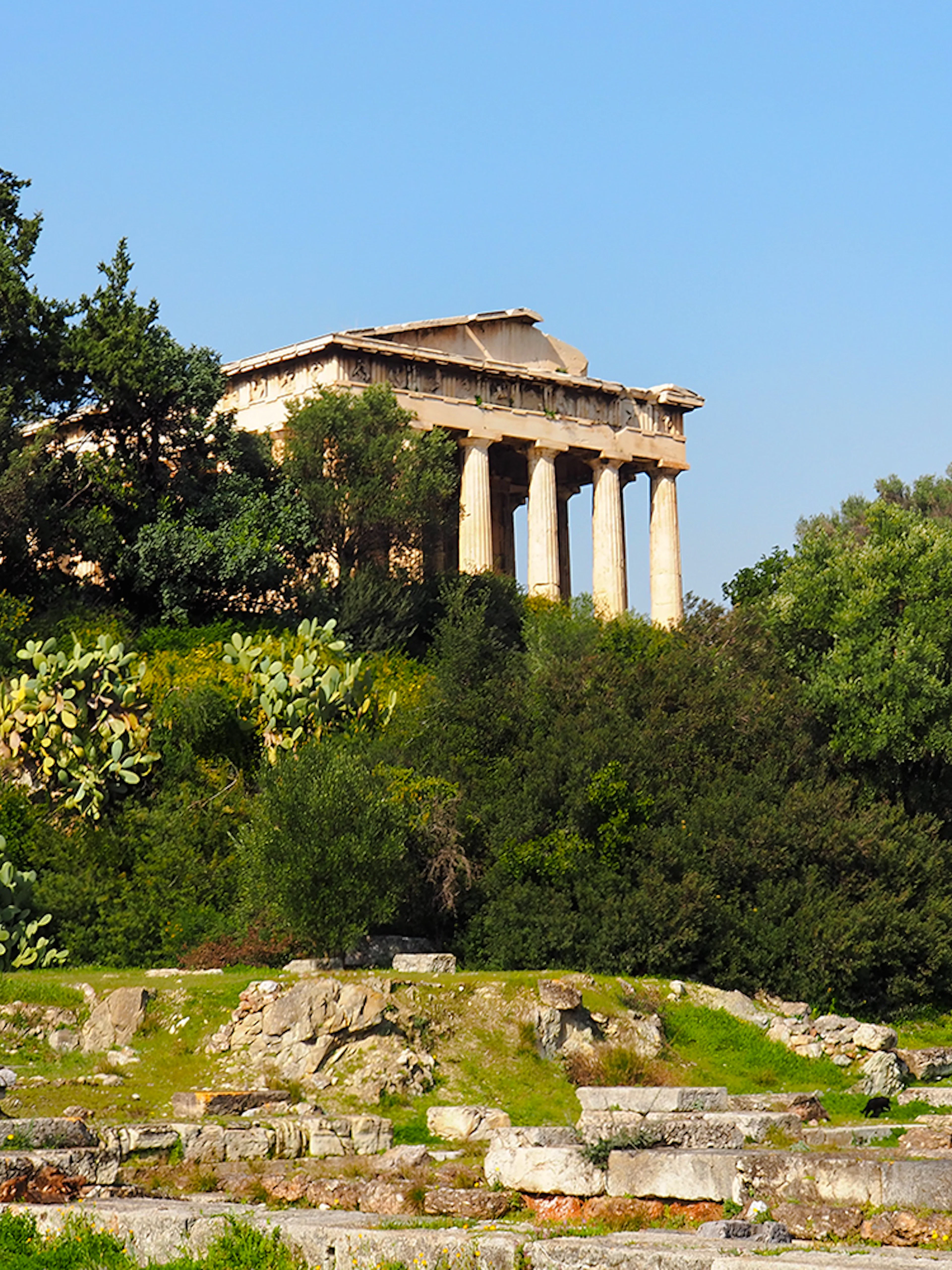
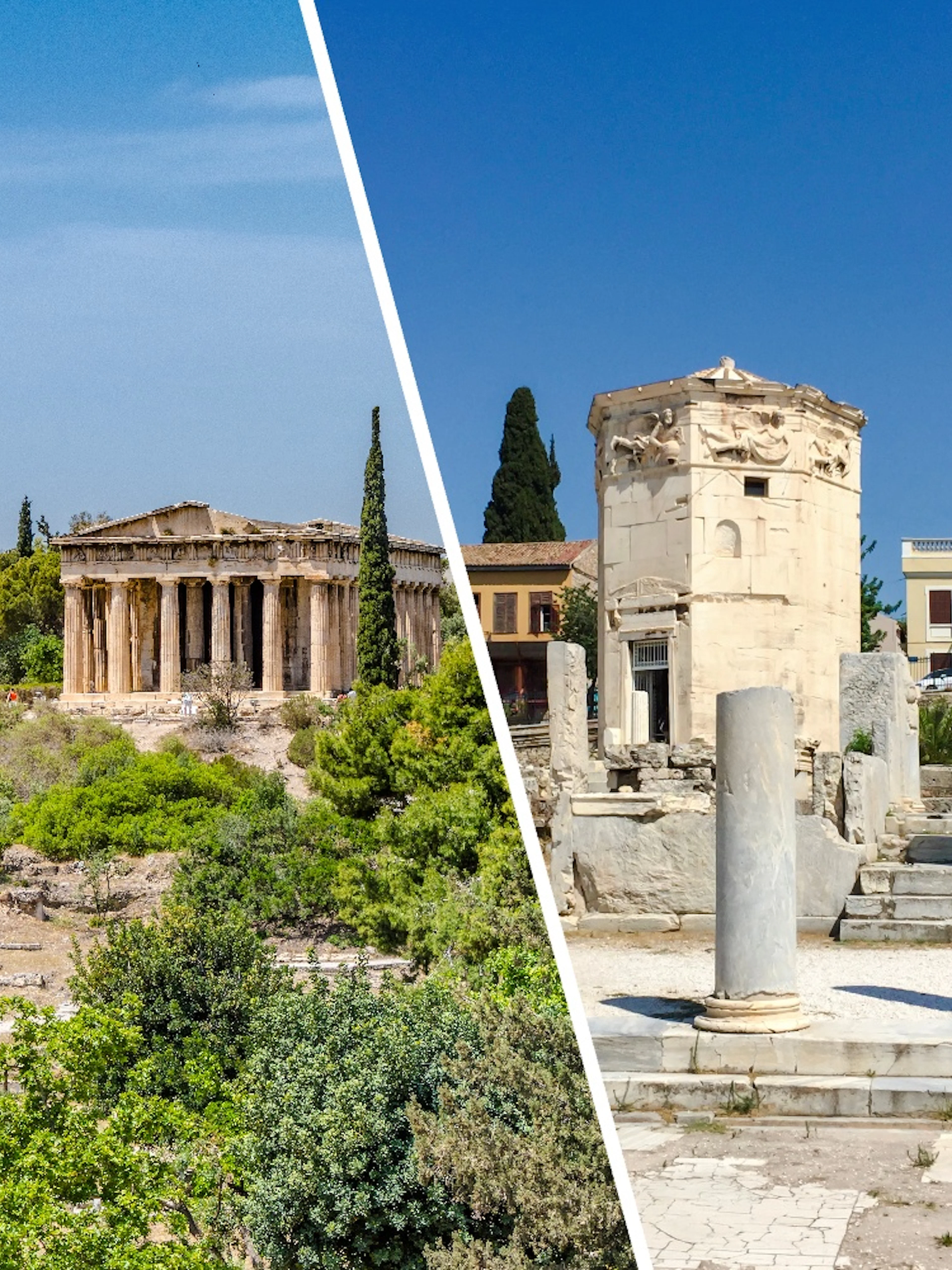
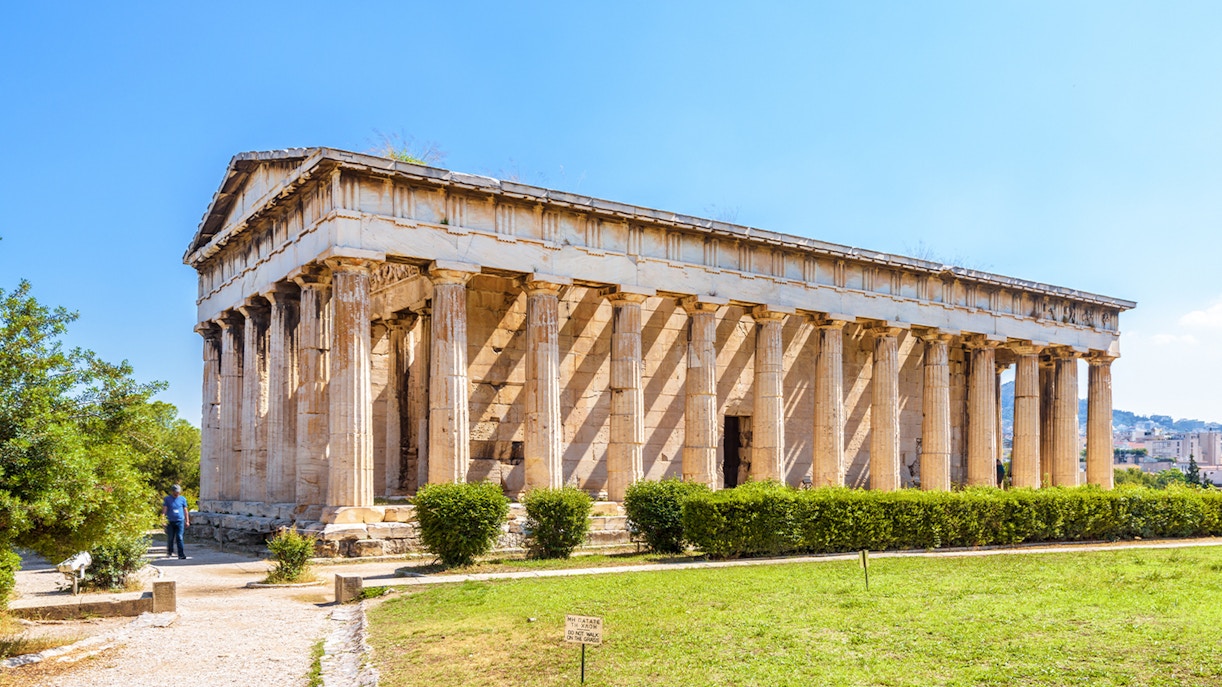
Temple of Hephaestus with columns and greenery, Athens, Greece.
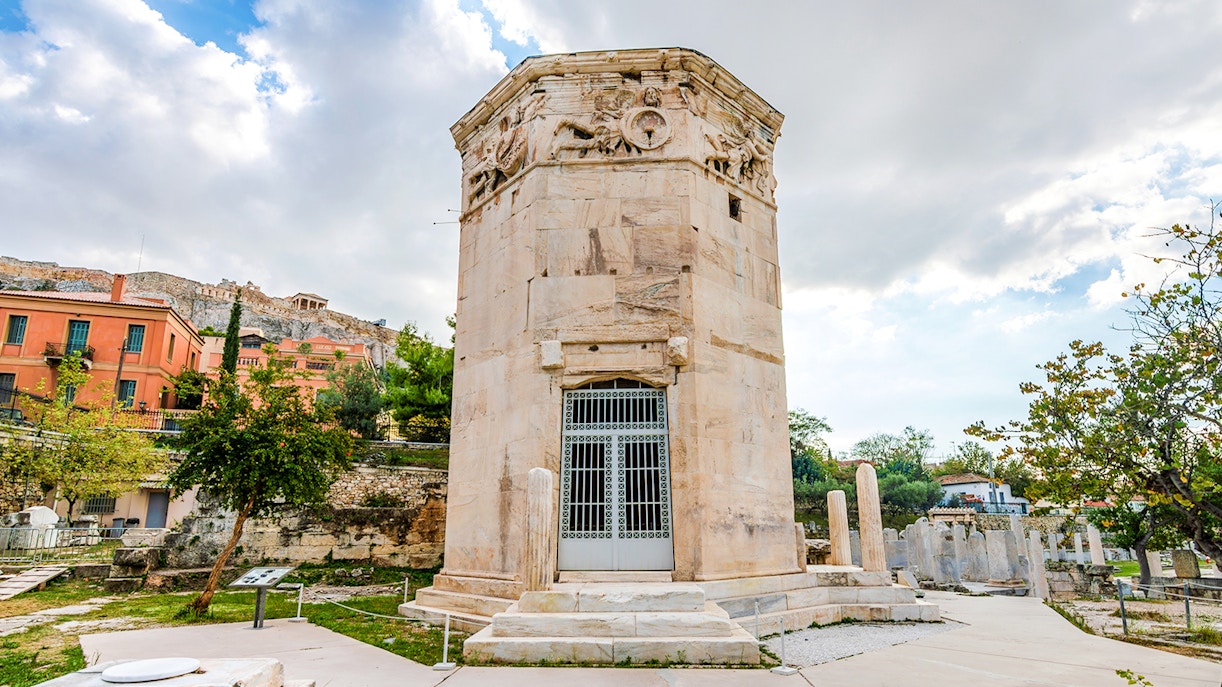
Tower of the Winds surrounded by ancient columns in Roman Agora, Athens.
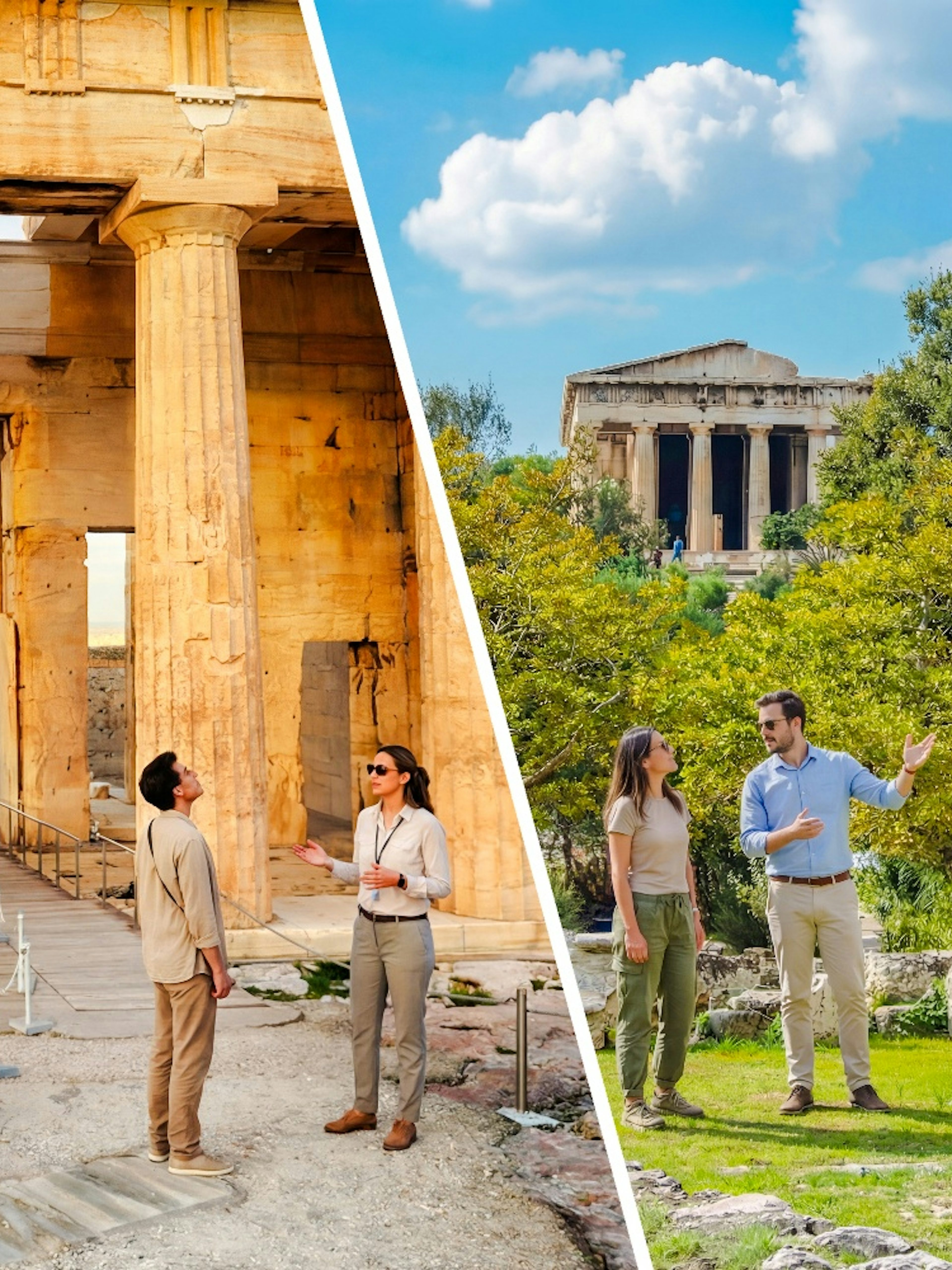
Tourist with audio guide reading sign at archeological site.
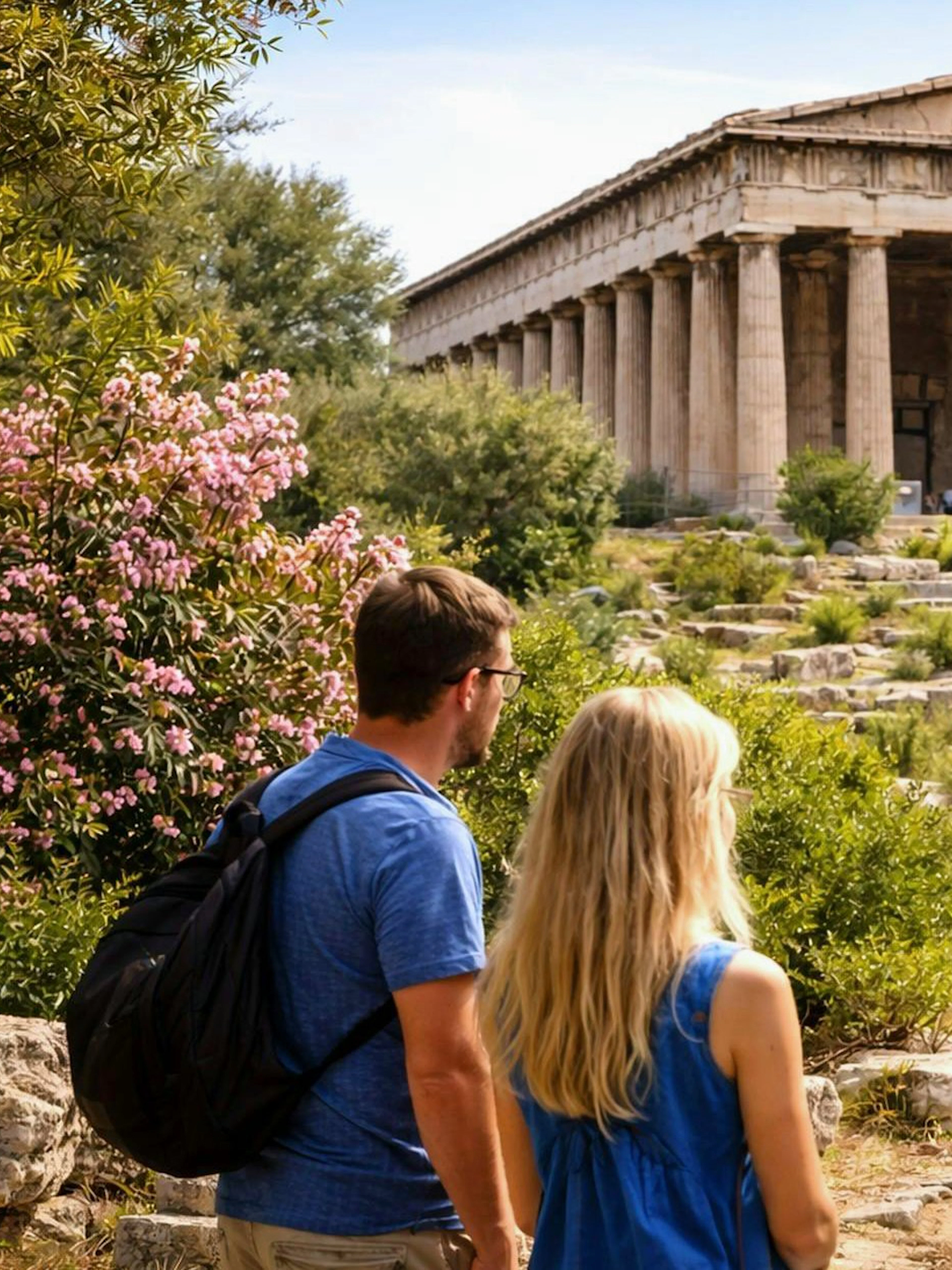
Temple of Hephaestus surrounded by greenery in Ancient Agora, Athens, Greece.
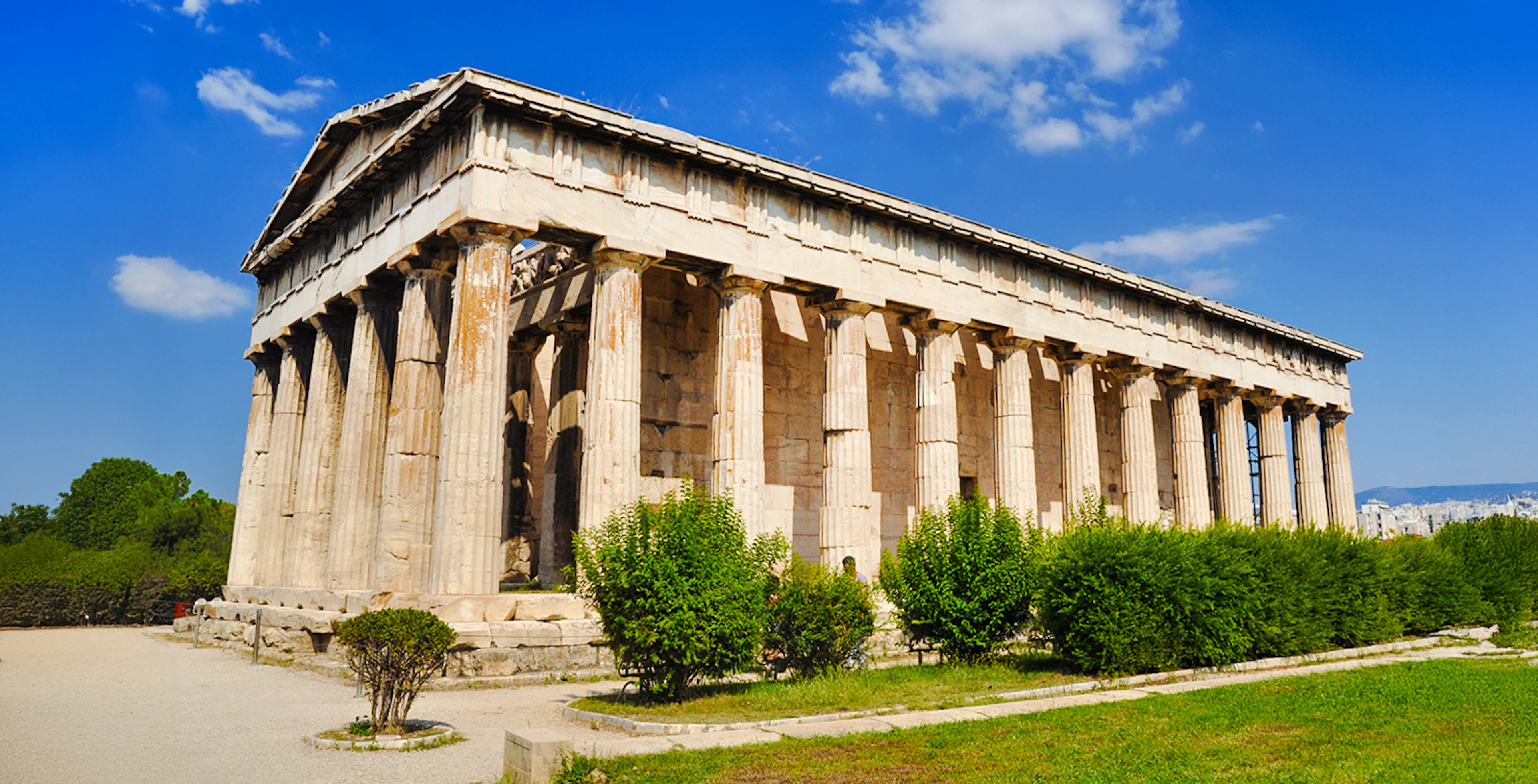
Temple of Hephaestus with Doric columns, Ancient Agora, Athens, Greece.
Temple of Hephaestus interior with columns, Ancient Agora, Athens, Greece.
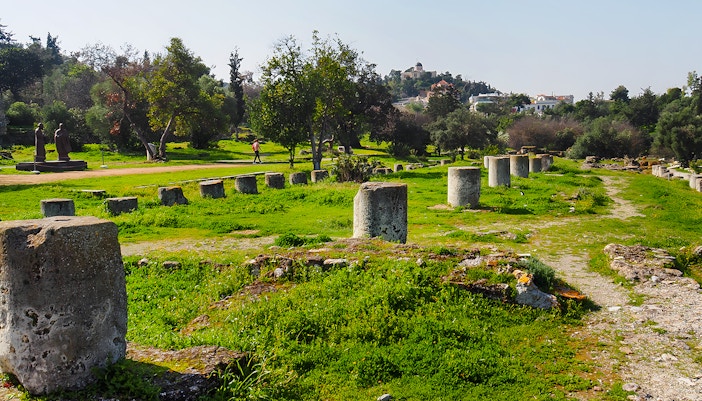
Ancient Agora ruins with stone structures and trees, Athens, Greece.
Ancient Agora ruins with "House of Simon" sign, Athens, Greece.
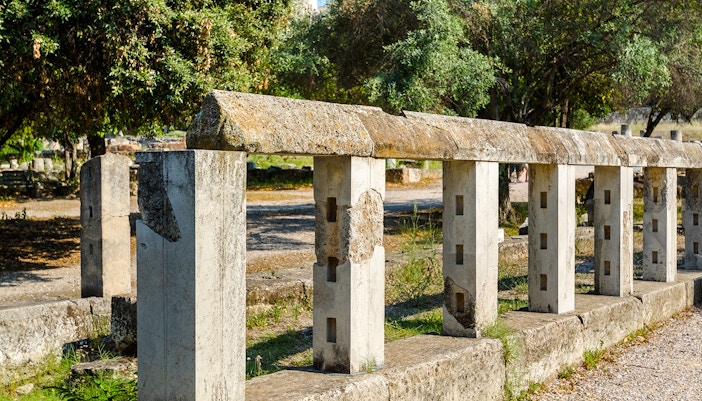
Ancient Agora ruins with stone columns and greenery, Athens, Greece.
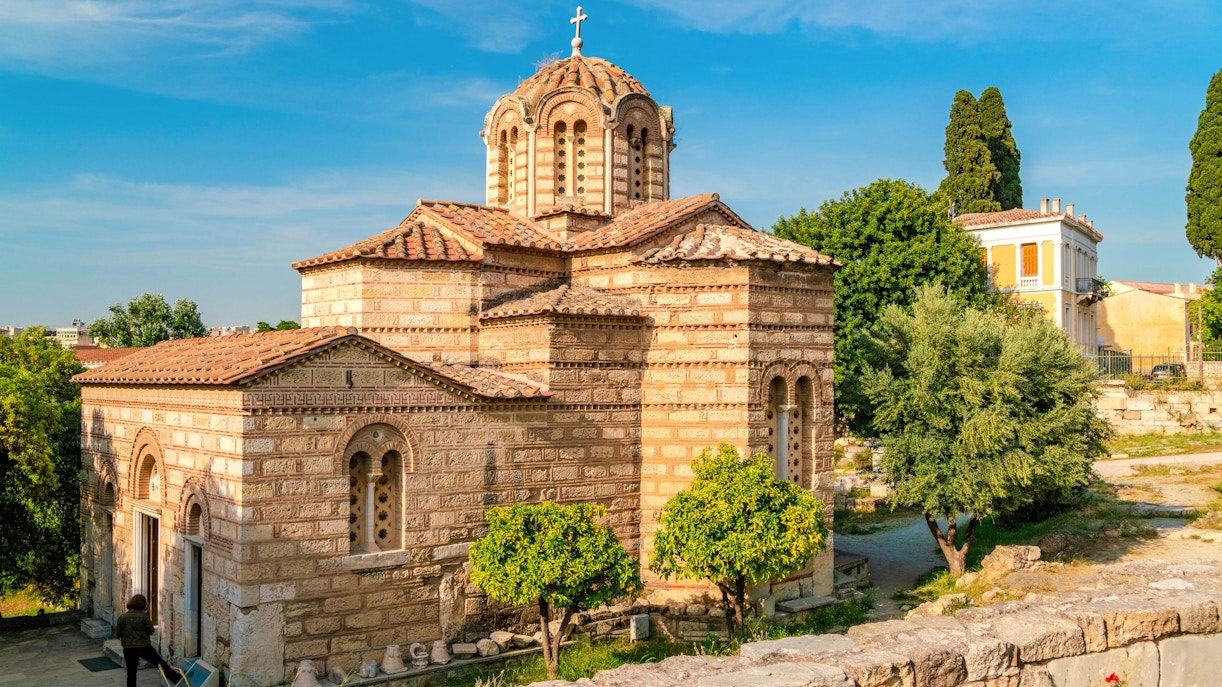
Church of the Holy Apostles in Athens surrounded by trees and ancient ruins.
Tickets
NaN

Ancient Agora Entry Tickets

Skip-the-line Ancient Agora entry tickets with Temple of Hephaistos access and audio tour.

  • Everything you get: Entry to the Ancient Agora with access to the Temple of Hephaistos and Church of the Holy Apostles, plus a self-guided audio tour narrated by licensed guides. You can choose to get a self-guided audio tour of Athens Old Town (Plaka) instead of ancient Agora.
  • Why choose this: Explore Athens’ civic heart with the freedom of a self-paced audio tour and skip-the-line entry for a smooth visit.


Check availability
Flexible duration
Audio guide

Skip-the-line Ancient Agora entry tickets with Temple of Hephaistos access and audio tour.

  • Everything you get: Entry to the Ancient Agora with access to the Temple of Hephaistos and Church of the Holy Apostles, plus a self-guided audio tour narrated by licensed guides. You can choose to get a self-guided audio tour of Athens Old Town (Plaka) instead of ancient Agora.
  • Why choose this: Explore Athens’ civic heart with the freedom of a self-paced audio tour and skip-the-line entry for a smooth visit.

Inclusions

  • Entry to the Temple of Hephaistos

  • Entry to the Church of the Holy Apostles

  • Self-guided audio tour

  • Self-guided audio tour of Athens Old Town (Plaka) (as per option selected)

Exclusions

  • Live guided tour

What to bring

  • Wear comfortable shoes and bring a hat, sunscreen, water, and a camera to make the most of your visit.

Additional information

  • Due to ongoing construction works, the main entrance of the Ancient Agora is temporarily closed. Please use the temporary entrance on Apostolou Pavlou Street, near Akamantos Street.
  • Starting April 1, 2025, admission is free for EU citizens aged 25 and under, and for non-EU citizens aged 18 and under, with a valid ID shown at the ticket booth.
  • Entry is permitted only during the selected time slot, with a grace period of 15 minutes before and after.
  • These tickets can't be cancelled or rescheduled.
Temple of Hephaestus with Doric columns in Agora, Athens under blue sky.
Ancient Agora of Athens with Temple of Hephaestus in the background, Greece.
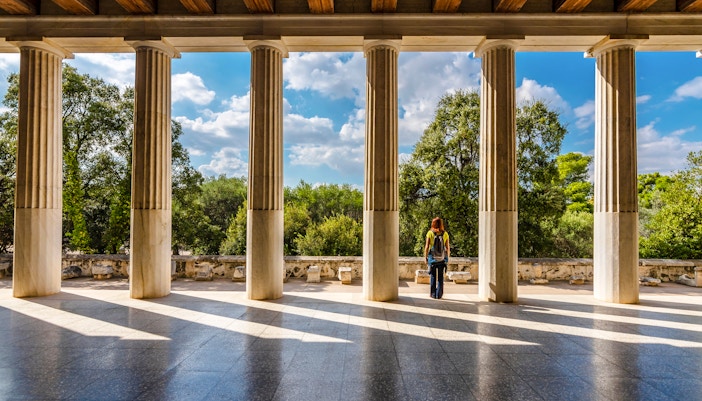
Ancient Agora of Athens colonnade with statues and sunlight streaming through columns.
Ancient Agora of Athens colonnade with visitors exploring historic site.
Woman using phone audio guide in a museum.
Odeon of Agrippa statues in Ancient Agora, Athens, with trees and ruins in the background.
Ancient ruins and Greek flag at Athens Ancient Agora.
Tickets
NaN

Ancient Agora Entry Tickets with Optional Audio Guide

Explore the birthplace of democracy at your own pace, from Athens’ best-preserved temple, to a reconstructed stoa, to ancient artifacts.

  • Everything you get: Entry to the Ancient Agora, access to the Temple of Hephaestus, the Stoa of Attalos, and the Museum of the Ancient Agora.
  • Why choose this: At the Agora, stand where Socrates challenged ideas, Pericles rallied citizens, and democracy was born—an ancient hub of philosophy, politics, and daily life, framed by stunning views of the Acropolis.
  • Upgrades: Enhance your visit with a multilingual audio guide featuring offline maps, rich insights, and stories of how Athenians voted, chose jurors, and made the Agora the heart of ancient Athens.


Check availability
Flexible duration
Audio guide

Explore the birthplace of democracy at your own pace, from Athens’ best-preserved temple, to a reconstructed stoa, to ancient artifacts.

  • Everything you get: Entry to the Ancient Agora, access to the Temple of Hephaestus, the Stoa of Attalos, and the Museum of the Ancient Agora.
  • Why choose this: At the Agora, stand where Socrates challenged ideas, Pericles rallied citizens, and democracy was born—an ancient hub of philosophy, politics, and daily life, framed by stunning views of the Acropolis.
  • Upgrades: Enhance your visit with a multilingual audio guide featuring offline maps, rich insights, and stories of how Athenians voted, chose jurors, and made the Agora the heart of ancient Athens.

Inclusions

  • Entry to the Ancient Agora archaeological site

  • 1.5–2 hour self-guided audio tour of Ancient Agora (as per option selected)

  • Audio guide available in English, Italian, Greek, German, Spanish, and French (if option selected)

  • Access to the Temple of Hephaestus

  • Access to the Museum of the Ancient Agora in the Stoa of Attalos

  • Audio guide access on an Android or iOS smartphone with an offline interactive map (if option selected)

Exclusions

  • Hotel pick-up and drop-off
  • Transfers

  • Live guide

  • Headphones

  • Food and beverages

  • Personal expenses

What to bring

  • Wear sturdy shoes, as the site can be dusty and slippery in the dry months.
  • Bring a refillable water bottle, as there is a drinking water refill point by the Stoa of Attalos, especially useful in summer.
  • Pack a hat, sunscreen, and extra water because shade is limited around the ruins, especially in summer.
  • Keep your smartphone fully charged so your battery lasts for the entire audio tour.
  • Bring your own headphones to enjoy the audio guide without disturbance.

What’s not allowed

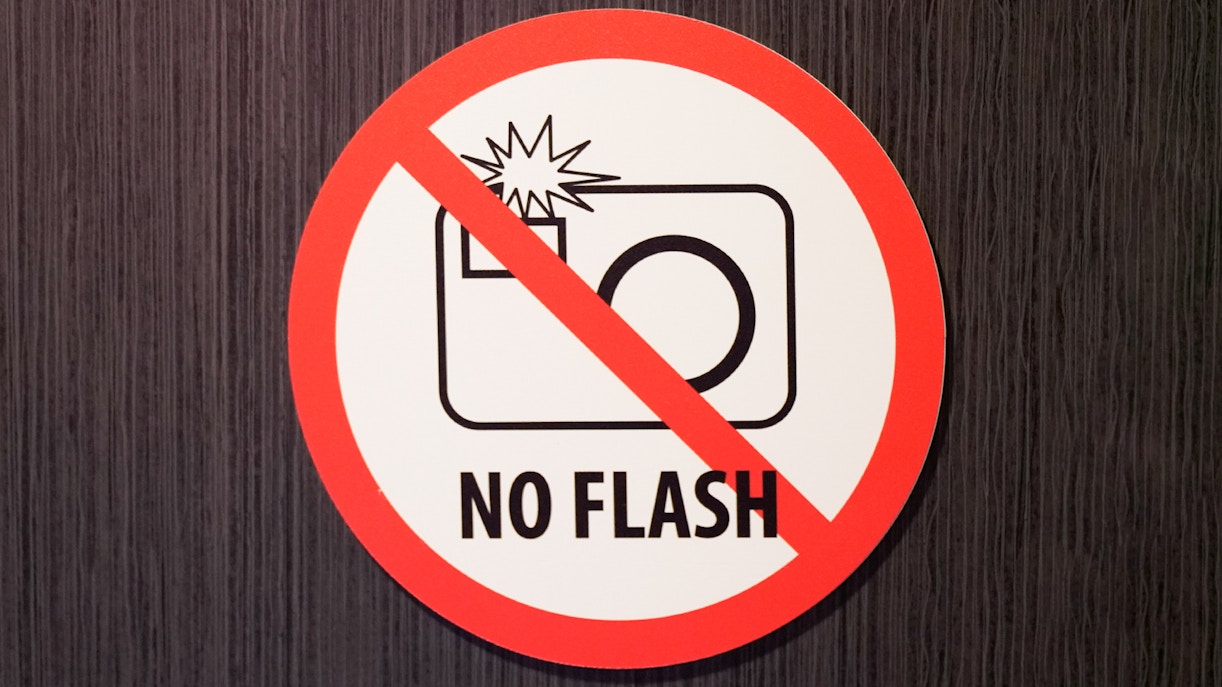
  • Flash photography and tripods are not allowed inside the site. Professional photo or video shoots require prior permits from the Ministry, and staff may intervene if you set up a tripod without one.
  • Drones are strictly regulated and cannot be flown over archaeological sites without special authorization, so please do not attempt to fly them here.
  • Pets are not allowed inside the Ancient Agora, but certified service animals are welcome.
  • Do not pick up or remove stones, sherds, or any remains, as antiquities are protected by Greek law.

Accessibility

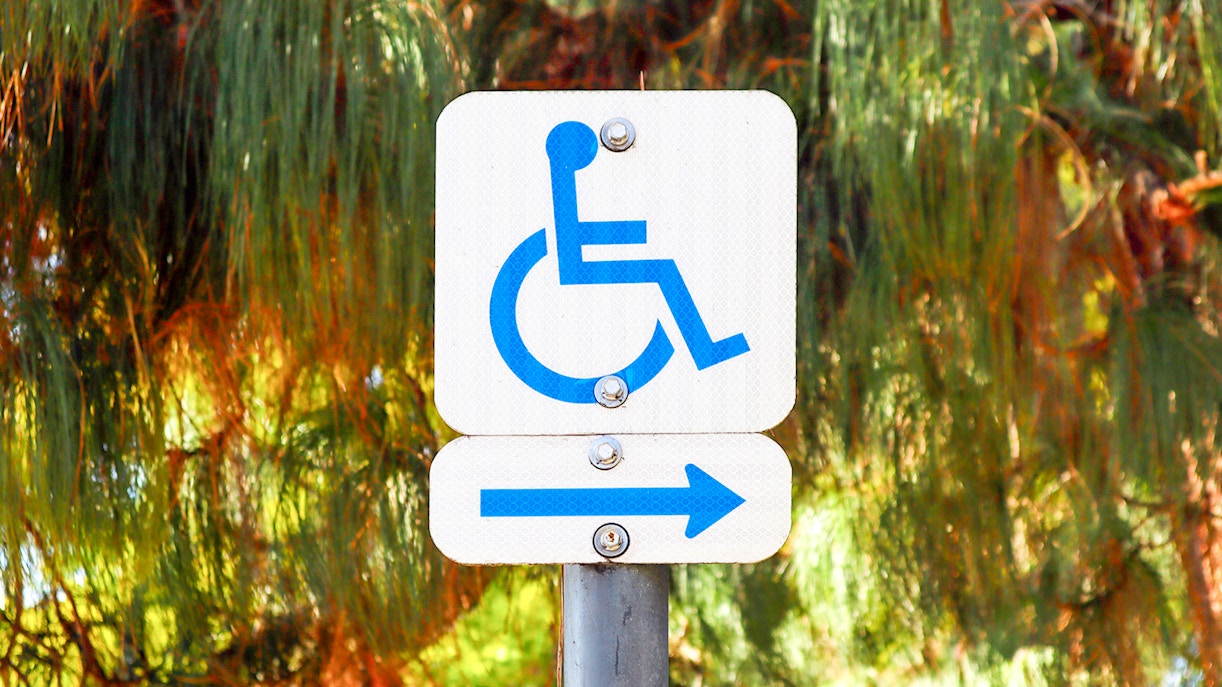
  • The site offers a wheelchair-accessible entrance via the Apostolou Pavlou entrance around the Temple of Hephaestus. However, much of the terrain inside is uneven, with gravel paths, steps, and slopes, which means full wheelchair access is very limited.
  • If you want to enter through the main entrance on Adrianou 24, we recommend bringing along a companion to help navigate the rough terrain. You can also communicate with the site staff at +30 210 3214824 or +30 210 3210180.
  • The Museum of the Ancient Agora, located in the Stoa of Attalos, is fully accessible for visitors with reduced mobility and wheelchair users. An accessible restroom is also available on-site.
  • At the museum’s information desk, tactile site plans and brochures in Braille (Greek and English) are provided.

Additional information

  • Due to ongoing construction works, the main entrance of the Ancient Agora is temporarily closed. Please use the temporary entrance on Apostolou Pavlou Street, near Akamantos Street.
  • You can enter the archaeological site only during your selected time slot. Your ticket is valid from 15 minutes before until 15 minutes after your chosen slot.
  • Arrive at least 30 minutes early to allow time for security and entry. Note that entry is permitted up to 20 minutes before closing time.
  • You’ll receive a separate email from the local partner with your e-ticket and audio tour instructions (check your spam folder).
  • Before your visit, download your e-ticket and the audio tour to your smartphone for offline use, or print the ticket to present at entry.
  • The audio tour is not supported on Windows Phones, iPhone 5/5C or earlier, iPod Touch 5th generation or earlier, iPad 4th generation or earlier, or the 1st generation iPad Mini.
  • Opening hours vary seasonally from 8am to 8pm (April to June) and gradually shorten to 8am to 5:30pm (late October), with last entry always 20 minutes before closing.
  • If you arrive between 8am and 9am, head straight up to the Temple of Hephaestus while it is still quiet, then follow the Panathenaic Way back down to the Stoa of Attalos Museum later in the day when the shade makes it more comfortable.
  • Look out for the kleroterion (jury-selection machine) and pinakia (juror ID tokens) inside the Stoa, ingenious, tangible artifacts of Athenian democracy.

Concession eligibility

  • EU citizens under 25, including students, enjoy free admission year-round with a valid ID or passport, but must queue at the ticket office to collect a zero-value pass.
  • Non-EU citizens under 25 are entitled to discounted rates during the peak season (April to October) with a valid ID, and must also queue at the ticket office.
  • Children under 5 years old enter free of charge.
  • EU citizens over 65 qualify for discounted rates.
  • Non-EU citizens over 65 qualify for discounted rates during the peak season (April to October).
  • Persons with disabilities (67% or more) and one accompanying person are granted free admission with a Disability Card, ID, or passport.
  • These tickets can't be cancelled or rescheduled.
Tower of the Winds in Ancient Agora, Athens with Acropolis in the background.
Tourists using audio guide in Paris's Latin Quarter with OPA SI Pass.
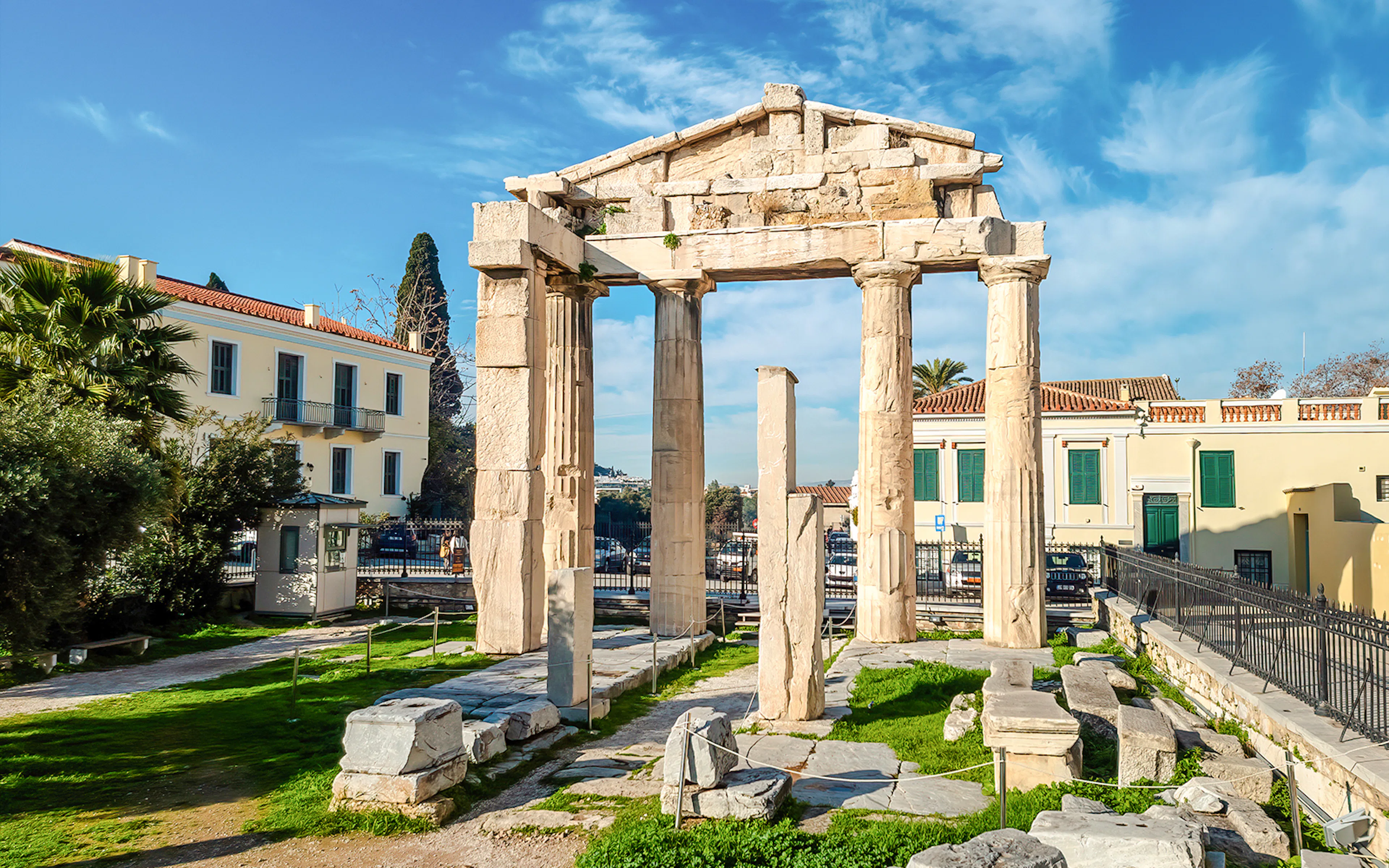
Gate of Athena Archegetis with ancient columns in Athens, Greece.
Fethiye Mosque with red-tiled domes in the ancient Roman Agora, Athens.
Stoa of Attalos colonnade in the Ancient Agora of Athens, Greece.
Columns and statues inside the Stoa of Attalos, Athens, Greece.
Monument of the Eponymous Heroes in Ancient Agora, Athens, with stone structure and trees.
Tower of the Winds in the Ancient Roman Forum, Athens, with Acropolis in the background.
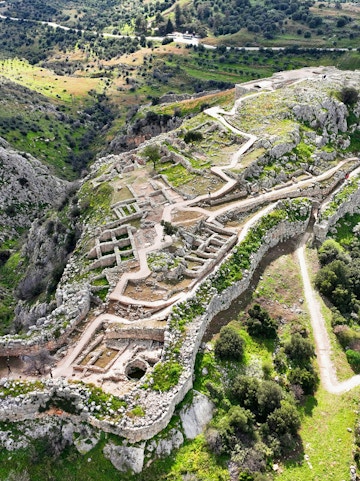
Aerial view of Ancient Agora ruins with columns and surrounding buildings in Athens.
Church of the Holy Apostles in Athens surrounded by trees and ancient ruins.
Tickets
NEW

Ancient Agora & Roman Agora E-ticket with 2 Audio Tours

See two of Athens’ ancient marketplaces with one hassle-free ticket, complete with offline audio tours.

  • Everything you get: Entry to the Ancient Agora, entry to the Roman Agora, 3-hour self-guided audio tour across both sites, multilingual audio guide, offline audio, text, and maps.
  • Why choose this: Skip the stress of multiple bookings and enjoy both Athens’ civic and commercial hearts in one day. With detailed audio commentary, wander at your own pace and relive Pericles’ speeches, Aristides’ integrity, and Socrates’ trial—where ancient ruins become living history. Plus, download maps and narration in advance to explore offline and avoid roaming charges.


Check availability
Flexible duration
Audio guide

See two of Athens’ ancient marketplaces with one hassle-free ticket, complete with offline audio tours.

  • Everything you get: Entry to the Ancient Agora, entry to the Roman Agora, 3-hour self-guided audio tour across both sites, multilingual audio guide, offline audio, text, and maps.
  • Why choose this: Skip the stress of multiple bookings and enjoy both Athens’ civic and commercial hearts in one day. With detailed audio commentary, wander at your own pace and relive Pericles’ speeches, Aristides’ integrity, and Socrates’ trial—where ancient ruins become living history. Plus, download maps and narration in advance to explore offline and avoid roaming charges.

Inclusions

  • Entry to the Ancient Agora

  • Entry to the Roman Agora

  • Access to the Temple of Hephaestus

  • Access to the Museum of the Ancient Agora in the Stoa of Attalos

  • 3-hour self-guided audio tour of both sites on your smartphone (Android and iOS)

  • Audio guide available in English, Spanish, German, French, and Italian (based on option selected)

  • Offline content (text, audio narration, and maps)

Exclusions

  • Hotel pick-up and drop-off
  • Transfers

  • Live guide

  • Headphones

  • Food and beverages

  • Personal expenses

What to bring

  • Wear sturdy shoes, as the site can be dusty and slippery in the dry months.
  • Bring a refillable water bottle, as there is a drinking water refill point by the Stoa of Attalos, especially useful in summer.
  • Pack a hat, sunscreen, and extra water because shade is limited around the ruins, especially in summer.
  • Make sure your phone is fully charged so the battery lasts for the entire audio tour.
  • Bring your own headphones for the best audio tour experience.

What’s not allowed

  • Flash photography and tripods are not allowed. Professional photo or video shoots require prior permits from the Ministry, and staff may intervene if you set up a tripod without one.
  • Drones are strictly regulated and cannot be flown over archaeological sites without special authorization, so please do not attempt to fly them here.
  • Pets are not allowed inside the archaeological sites, but certified service animals are welcome.
  • Do not pick up or remove stones, sherds, or any remains, as antiquities are protected by Greek law.

Accessibility

  • Both the Roman and Ancient Agora are only partially wheelchair accessible. At the Roman Agora, visitors with reduced mobility can enter through the main entrance on Dioskouron Street, while at the Ancient Agora, there is an accessible entrance via the Apostolou Pavlou gate near the Temple of Hephaestus.
  • Inside both sites, much of the terrain is uneven, with gravel paths, slopes, and ancient paving, which makes full wheelchair access very limited. If you use the main entrance to the Ancient Agora at Adrianou 24, it is best to have a companion to help navigate, and you may also contact site staff at +30 210 3214824 or +30 210 3210180 for assistance.
  • Each site provides inclusive features for visually impaired visitors, including Braille information boards and tactile maps.
  • The museums at both Agoras are fully accessible for visitors with reduced mobility and wheelchair users. The Museum of the Ancient Agora in the Stoa of Attalos also offers an accessible restroom and tactile site plans and brochures in Braille (Greek and English).

Additional information

  • Each booking is valid for one device. Please book separately for every device you plan to use.
  • You can enter the archaeological sites only during your selected time slot. Your ticket is valid from 15 minutes before until 15 minutes after your chosen slot.
  • Arrive at least 30 minutes early to allow time for security and entry. Note that entry is permitted up to 20 minutes before closing time.
  • After booking, you’ll receive an email with instructions to access and download your audio tour; be sure to also check your spam folder.
  • Download your tickets and audio tour in advance over Wi-Fi, as the mobile signal at the sites may be weak.
  • Due to ongoing construction works, the main entrance of the Ancient Agora is temporarily closed. Please use the temporary entrance on Apostolou Pavlou Street, near Akamantos Street.
  • You’ll need an Android smartphone (version 5.0 or later) or an iOS device (version 15.0 or later). The audio tour is not compatible with Windows Phones, iPhone 6/6 Plus or earlier, iPod Touch 6th generation or earlier, iPad 4th generation or earlier, iPad Air 1st generation, or iPad Mini 3rd generation or earlier.
  • Make sure your phone has 200 to 300 MB of free storage space to download the audio tour.
  • Head to the entrance on Epaminonda 6-22, Athina 105 55 to begin your Roman Agora experience. The tour ends at the Mosque of the Conqueror, after which you continue to the Ancient Agora. That tour concludes inside the site at the Stoa of Attalos, a short walk from the entrance.
  • The course of your visit may change, and certain restrictions may apply. Please follow all on-site guidelines at all times.

Concession eligibility

  • EU citizens under 25, including students, enjoy free admission year-round with a valid ID or passport, but must queue at the ticket office to collect a zero-value pass.
  • Non-EU citizens under 25 are entitled to discounted rates during the peak season (April to October) with a valid ID, and must also queue at the ticket office.
  • Children under 5 years old enter free of charge.
  • These tickets can't be cancelled. However, they can be rescheduled up to 24 hours before the experience begins.
Ancient Greek ruins with columns in Roman Agora, Athens.
Ancient agora ruins with stone pillars in Athens, Greece, under the Acropolis.
Woman using audio guide at Ancient Agora ruins in Athens.
Tower of Winds in Roman Agora, Athens, with ancient ruins and cityscape in the background.
Roman Agora ruins with columns in Athens, Greece, surrounded by historic buildings.
Columns at the Stoa of Attalos in the ancient Agora, Athens, Greece.
Ancient columns of the Roman Agora in Athens, Greece, with sunlight peeking through.
Roman Agora ruins with columns and ancient structures in Athens, Greece.
Tickets
NEW

Roman Agora Entry Ticket with Audio Guide

Step into Athens’ Roman marketplace where marble gates, timekeepers, and Ottoman echoes tell its layered story.

  • Everything you get: Entry to the Roman Agora, 45 to 60-min self-paced tour, multilingual audio guide, and offline content with audio, text, and maps.
  • Why choose this: With a single ticket, see highlights like the Gate of Athena Archegetis, gifted by Julius Caesar and Augustus, then admire the ingenious Tower of the Winds with its sundials and water clock. Move at your own pace while the audio guide reveals how merchants bargained, priests held rituals, and Romans reshaped the Agora, turning silent ruins into vivid stories of daily life and empire.


Check availability
Free cancellation

You can cancel these tickets up to 24 hours before the experience begins and get a full refund.

Flexible duration
Audio guide

Step into Athens’ Roman marketplace where marble gates, timekeepers, and Ottoman echoes tell its layered story.

  • Everything you get: Entry to the Roman Agora, 45 to 60-min self-paced tour, multilingual audio guide, and offline content with audio, text, and maps.
  • Why choose this: With a single ticket, see highlights like the Gate of Athena Archegetis, gifted by Julius Caesar and Augustus, then admire the ingenious Tower of the Winds with its sundials and water clock. Move at your own pace while the audio guide reveals how merchants bargained, priests held rituals, and Romans reshaped the Agora, turning silent ruins into vivid stories of daily life and empire.

Inclusions

  • Entry to the Roman Agora

  • 45-minute to 1-hour self-guided audio tour on your smartphone (Android and iOS)

  • Audio guide available in English, Spanish, German, French, Italian, and Greek (based on option selected)

  • Offline content (text, audio narration, and maps)

Exclusions

  • Hotel pick-up and drop-off
  • Transfers

  • Live guide

  • Headphones

  • Food and beverages

  • Personal expenses

What to bring

  • Wear sturdy shoes because much of the ground is uneven and covered with ancient paving.
  • Bring a hat and sunscreen to stay comfortable in the sun.
  • Carry a fully charged smartphone to ensure your battery lasts for the entire audio tour.
  • Bring your own headphones for the best audio tour experience.

What’s not allowed

  • Flash photography and tripods are not permitted, and professional photo or video shoots require prior permits from the Ministry.
  • Drones cannot be flown over the site without official authorization.
  • Pets are not allowed inside, except for certified service animals.
  • Do not touch, pick up, or remove stones, sherds, or other remains, as antiquities are strictly protected by Greek law.

Accessibility

  • The Roman Agora is partially wheelchair accessible, offering access for visitors with reduced mobility through the main entrance on Dioskouron Street. However, much of the site has uneven terrain and ancient paving, so access inside is limited.
  • You can also reach the Horologion via a pedestrian entrance on Pelopida Street, which accommodates wheelchair users.
  • The site also provides inclusive features such as a fully accessible museum, Braille information boards, and tactile maps for visitors with visual impairments.

Additional information

  • Each booking is valid for one device. Please book separately for every device you plan to use.
  • You can enter the archaeological site only during your selected time slot. Your ticket is valid from 15 minutes before until 15 minutes after your chosen slot.
  • Arrive at least 30 minutes early to allow time for security and entry. Note that entry is permitted up to 20 minutes before closing time.
  • After booking, you’ll receive an email with instructions to access and download your audio tour; be sure to also check your spam folder.
  • You’ll need an Android smartphone (version 5.0 or later) or an iOS device (version 15.0 or later). The audio tour is not compatible with Windows Phones, iPhone 6/6 Plus or earlier, iPod Touch 6th generation or earlier, iPad 4th generation or earlier, iPad Air 1st generation, or iPad Mini 3rd generation or earlier.
  • Make sure your phone has 100 to 150 MB of free storage space to download the audio tour.
  • The course of your visit may change, and certain restrictions may apply. Please follow all on-site guidelines at all times.
  • Opening hours vary seasonally: from November to March, the site is open from 8am to 3pm, while from April to August, it is open from 8am to 7:30pm, with closing times gradually reduced in September and October; last entry is always 30 minutes before closing.

Concession eligibility

  • EU citizens up to 25 years old enjoy free admission year-round with a valid ID or passport.
  • Non-EU visitors aged 6 to 25 are eligible for discounted admission with a valid ID or passport.
  • Children under 5 years old enter free of charge.
  • You can cancel these tickets up to 24 hours before the experience begins and get a full refund.

Top things to do in Athens

Walk through the ruins of Athens' ancient marketplace

Step into history at the Ancient Agora of Athens, a living testament to Greece’s profound legacy. Located in the heart of Athens, this iconic site, once the center of political and philosophical life, is often regarded as the birthplace of democracy. With its impressive ruins and rich archaeological treasures, it offers a glimpse into the past like no other. Read on for essential details, including ticket prices, opening hours, and everything you need to make the most of your visit.

Why visit the Ancient Agora of Athens?

Ancient Agora of Athens with Temple of Hephaestus in the background, Greece.
  • Historical significance: The Ancient Agora was not just Athens’ commercial hub but also a meeting point for its influential philosophers and politicians. It's where vital ideas shaping the Western world were discussed.
  • Architectural marvels: Wander among the ruins of the Agora to admire the remarkably preserved Temple of Hephaestus and the reconstructed Stoa of Attalos. Each structure tells a story of ancient architectural prowess.
  • Panoramic views: From this historic marketplace, enjoy stunning vistas of Athens, including the iconic Acropolis, offering a unique blend of urban landscape and ancient history.
  • Cultural immersion: Experience the daily life of ancient Greeks. The Agora is strewn with relics, from pottery fragments to ancient inscriptions, providing a tangible connection to the past.
  • Educational experience: Delve into the Agora's influence on Western civilization. Interactive displays and informative plaques enrich the learning experience, making history come alive.

What to see at the Ancient Agora of Athens?

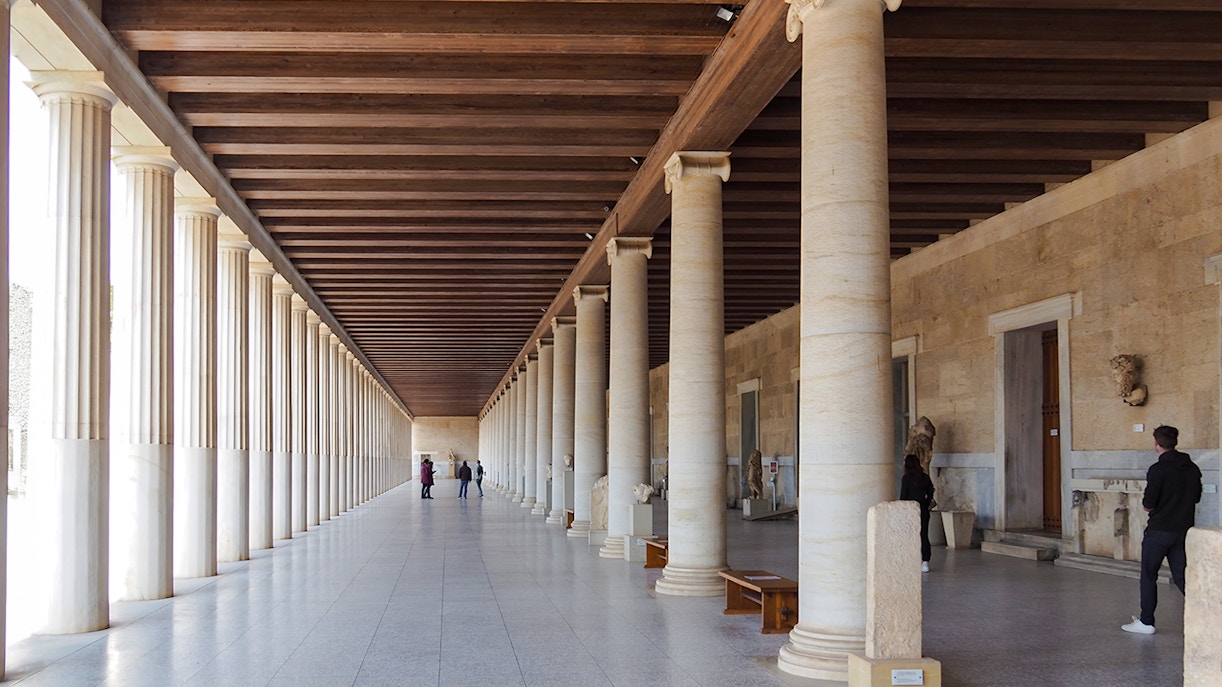
Stoa of Attalos interior with columns and statues, ancient agora, Athens.

Stoa of Attalos

With its elegant long collonades, this magnificent structure is a stunning reconstruction of ancient Greek architecture. This covered public walkway was historically significant as a major commercial and political hub in ancient Athens, and you can imagine the bustling marketplace it once was.

Temple of Hephaestus with Doric columns in Agora, Athens under blue sky.

Temple of Hephaestus

This ancient temple, dedicated to Hephaestus, the Greek god of artisans, blacksmiths, and other craftsmen, exemplifies classical Greek architectural brilliance and offers a glimpse into the religious practices of historical Athens.

Aerial view of Ancient Agora ruins with columns and surrounding buildings in Athens.

Ancient Assembly Area

The birthplace of democracy, this historic site hosted the early democratic assemblies that laid the foundations for modern democratic systems, resonating with political significance.

Ancient ruins of the Altar of the Twelve Gods in Athens, Greece, surrounded by trees.

Altar of the Twelve Gods

Discover this sacred site, dedicated to the twelve main Olympian deities. A revered religious site in ancient Athens, it played a central role in the city's spiritual life.

Odeon of Agrippa statues in Ancient Agora, Athens, with trees and ruins in the background.

Odeon of Agrippa

Explore the remains of this grand concert hall, which was once a hub of cultural activity, echoing the cultural richness of ancient Athens where its citizens gathered for music and performances.

Church of the Holy Apostles in Athens surrounded by trees and ancient ruins.

Church of the Holy Apostles

This church is an exquisite example of Byzantine architecture in Athens. Its beautifully preserved structure, with its intricate designs and religious significance, features a rich history within the heart of the Agora.

Ancient artifacts displayed in a modern museum exhibit.

Agora Archaeological Museum

Home to a treasure trove of artifacts unearthed from the Agora, this museum offers a detailed insight into the daily life and culture of ancient Athens.

Klepsydra Fountain ruins in Ancient Agora, Athens, Greece, with stone columns and historical architecture.

Klepsydra Fountain

The Klepsydra Fountain was an innovative ancient water clock, used to time speeches in the democratic assemblies in the Agora. It showcased the ingenuity and practicality of ancient Athenian technology.

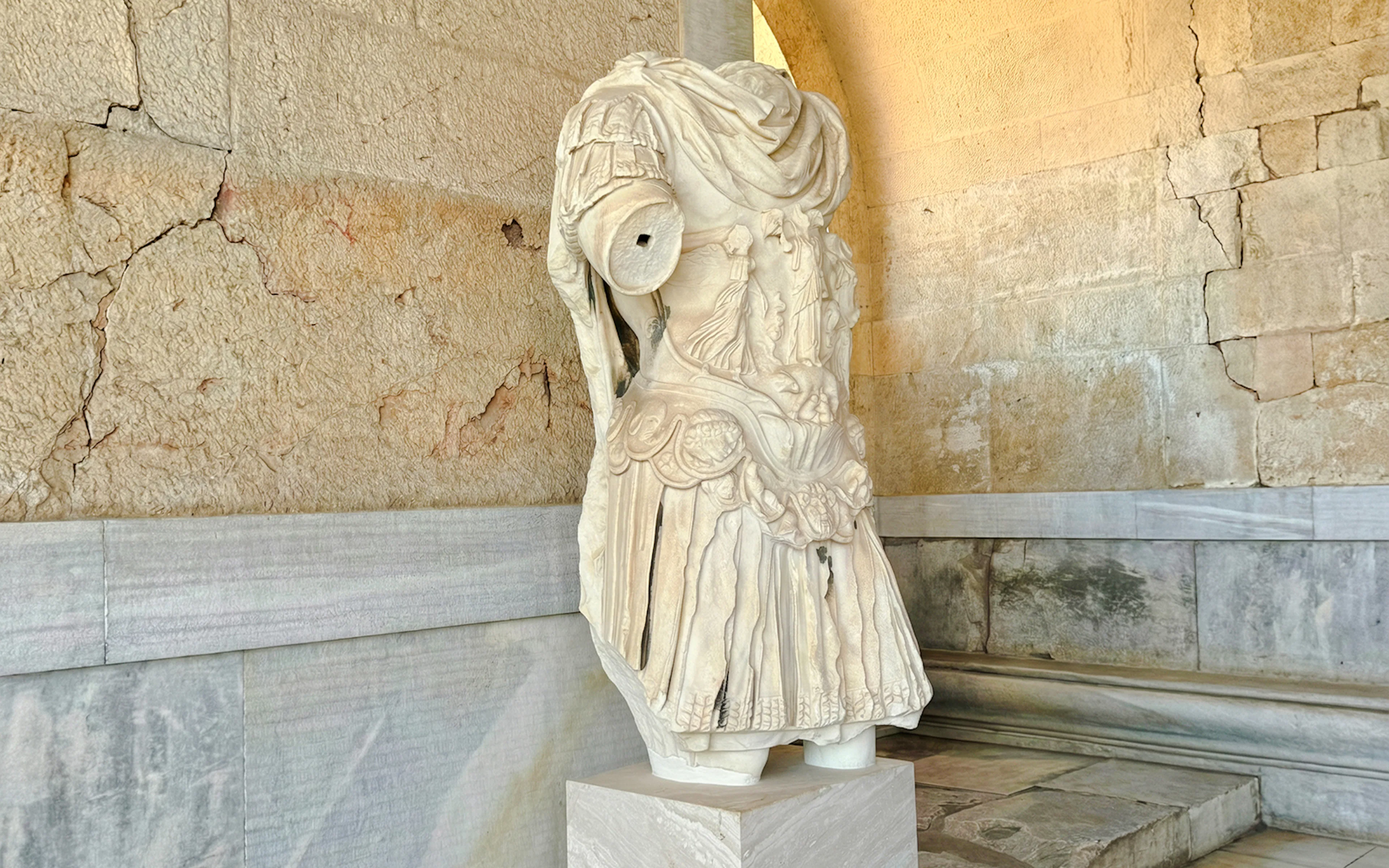
Statue of Emperor Hadrian at the ancient Agora of Athens with surrounding ruins.

Statue of Hadrian

Marvel at the imposing statue of the Roman Emperor Hadrian, a symbol of Roman influence on ancient Greece, reflecting the historical intersection of two great cultures.

Ancient stone columns at the Roman Agora in Delphi, Greece.

Ancient Residential Remains

Explore the ruins of ancient Athenian homes, offering a unique perspective on the domestic architecture and daily life of ancient Athenians in their urban environment.

Plan your visit to the Ancient Agora of Athens
Roman Agora entrance with ancient columns in Athens, Greece, near historic buildings.
  • April 1 to June 30: 8am to 8pm
  • Last entry: 7:30pm
  • July 1 to August 31: 8am to 7:30pm
  • Last entry: 7:10pm
  • September 1 to 15: 8am to 7pm
  • Last entry: 6:40pm
  • September 16 to 30: 8am to 6:30pm
  • Last entry: 6:10pm
  • October 1 to 15: 8am to 6pm
  • Last entry: 5:40pm
  • October 16 to 31: 8am to 5:30pm
  • Last entry: 5:10pm

Duration of visit: 1.5 to 2 hours
Best time to visit: April to June or September to October, when the weather is mild and crowds are smaller.

Address: Athens 105 55, Greece
Find on maps

  • By bus: 025, 035, 227
    Nearest stop: Thissio
  • By tram: T6
    Nearest stop: Leoforos Vouliagmenis
  • By metro: Lines M1, M3
    Nearest station: Monastiraki, Thissio
  • By car: The site is about 33 km from Athens International Airport.
    Driving time: About 45 minutes
    Nearest parking: Available at Thissio
  • By hop-on-hop-off bus:
    Nearest Stop: Monastiraki Square
    Route: Orange Line (Sights of Athens), Red Route (Big Bus)
Person in a wheelchair at Universal Studios Singapore.
  • The Ancient Agora offers wheelchair-accessible entrances for easy access to the site.
  • Information booths are available at key locations for visitor assistance and site details.
  • There are designated rest areas throughout the site for a comfortable visit.
  • Clean public restrooms are available near the entrance and key areas of the Agora.
  • A gift shop offering souvenirs, books, and local crafts is located near the entrance.
  • A café or refreshment stand is available for snacks and drinks during your visit.
  • Limited parking is available near the entrance for visitors arriving by car.
Temple of Hephaestus interior with columns, Ancient Agora, Athens, Greece.
  • Arrive early for a peaceful experience: Visiting between 8am to 9am offers cooler temperatures and fewer crowds, allowing you to enjoy the site at your own pace.
  • Wear comfortable footwear: The site features uneven terrain and some steps; sturdy shoes are essential for a comfortable visit.
  • Bring a portable charger: The site's expansive layout and your smartphone's GPS or audio guide can quickly drain battery life. A portable charger ensures you stay powered throughout your visit.
  • Carry water and sun protection: Given the site's open nature and limited shade, carry a refillable water bottle and wear sunscreen, especially during summer months.
  • Start at the Museum of the Ancient Agora: Housed in the reconstructed Stoa of Attalos, the museum provides valuable context, enhancing your appreciation of the ruins.
  • Visit the Temple of Hephaestus last: Positioned at the site's northwest corner, the Temple offers a tranquil end to your tour, away from the main entrance crowds.
Athens Acropolis entrance with tourists exploring ancient ruins.
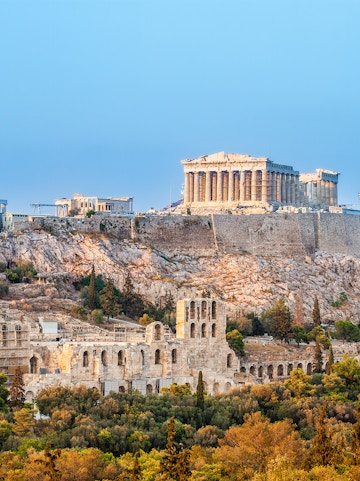
  • Acropolis: The Acropolis, an iconic symbol of ancient Greece, stands majestically over Athens. Explore historic ruins like the Parthenon, offering insights into classical architecture and Greek mythology. Book Acropolis skip the line tickets to enjoy priority access to the site.
  • Acropolis Museum: The state-of-the-art Acropolis Museum, located near the base of the Acropolis, showcases artifacts and sculptures from the archaeological site, providing a deep dive into ancient Greek art and culture.
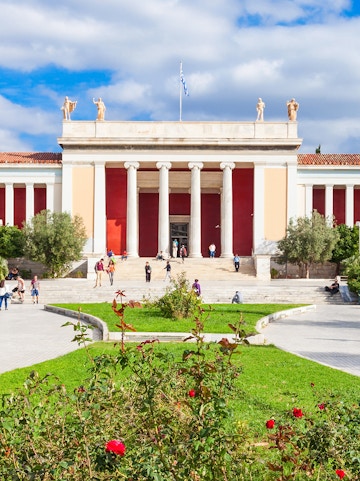
  • National Archaeological Museum: The National Archaeological Museum, Greece’s largest museum, showcases an extensive collection of artifacts from antiquity, including sculptures, pottery, and jewelry, tracing the rich history of Greek civilization.
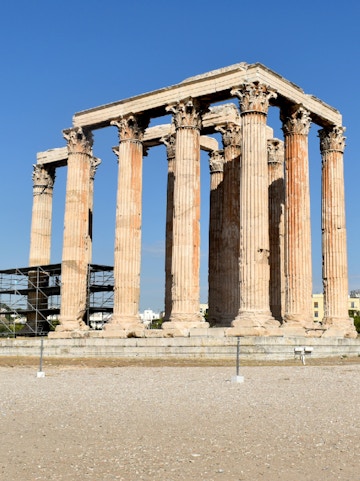
  • Temple of Olympian Zeus: Visit the colossal Temple of Olympian Zeus, an ancient Greek temple in Athens dedicated to Zeus, featuring towering columns and rich historical significance.

Frequently asked questions about Ancient Agora of Athens tickets
How much do Ancient Agora of Athens tickets cost?

Ancient Agora of Athens tickets start from €26.
Where can I buy Ancient Agora of Athens tickets?

You can buy Ancient Agora tickets online for a smoother experience, ensuring availability during peak seasons and faster entry compared to purchasing at the venue.

What do Ancient Agora of Athens tickets include?
A standard Ancient Agora of Athens ticket includes access to all the major historical sites within the Agora, such as the Temple of Hephaestus, Stoa of Attalos, and the Agora Museum
How long does it take to complete a tour of the Ancient Agora?

A tour of the Ancient Agora takes 1.5 to 2 hours, allowing time to explore key sites like the Temple of Hephaestus and Stoa of Attalos at a relaxed pace.

Is the Ancient Agora wheelchair accessible?

While the Agora provides wheelchair-accessible entrances and paths, much of the terrain inside is uneven, with gravel paths, steps, and slopes, limiting full accessibility.

Can I use my smartphone for the audio guide?

Absolutely! The audio guide is available through a mobile app for both Android and iOS, with offline maps and narration to enhance your experience without needing a connection.

Are there any rest areas at the site?

Yes, the Ancient Agora has several designated rest areas throughout the site where you can relax and enjoy the surroundings before continuing your visit.

Can I visit the Ancient Agora with children?

Yes, the Ancient Agora is a family-friendly site, with plenty of open space and historical elements that can engage younger visitors, making it an educational and enjoyable visit for all ages.